Biography, as a photographer
Nausicaa Giulia Bianchi is a documentary fine-art photographer interested in portraiture, visual narrative and bookmaking. Her work has been published on many publications such The Guardian, National Geographic, Marie Claire, TIME, Internazionale, and other magazines and books. Her photography projects have been exhibited internationally at festivals, galleries and museums such ICP Museum in NYC, PhEst festival, Organ Vida festival , BFF festival, IMP Festival, Fonderia 20.9 gallery, etc..
In 2010 she attended the PJ program of The International Center Of Photography in New York City and assisted photographers such Mary Ellen Mark and Suzanne Opton.
She employed a long-format documentary practice with an immense project about Women Catholic Priests who have been ex-communicated by the Vatican because they disobey a law that says that only a male can be ordained priest. Between 2012 and 2018 she have visited 35 communities across United States, Canada and Colombia.
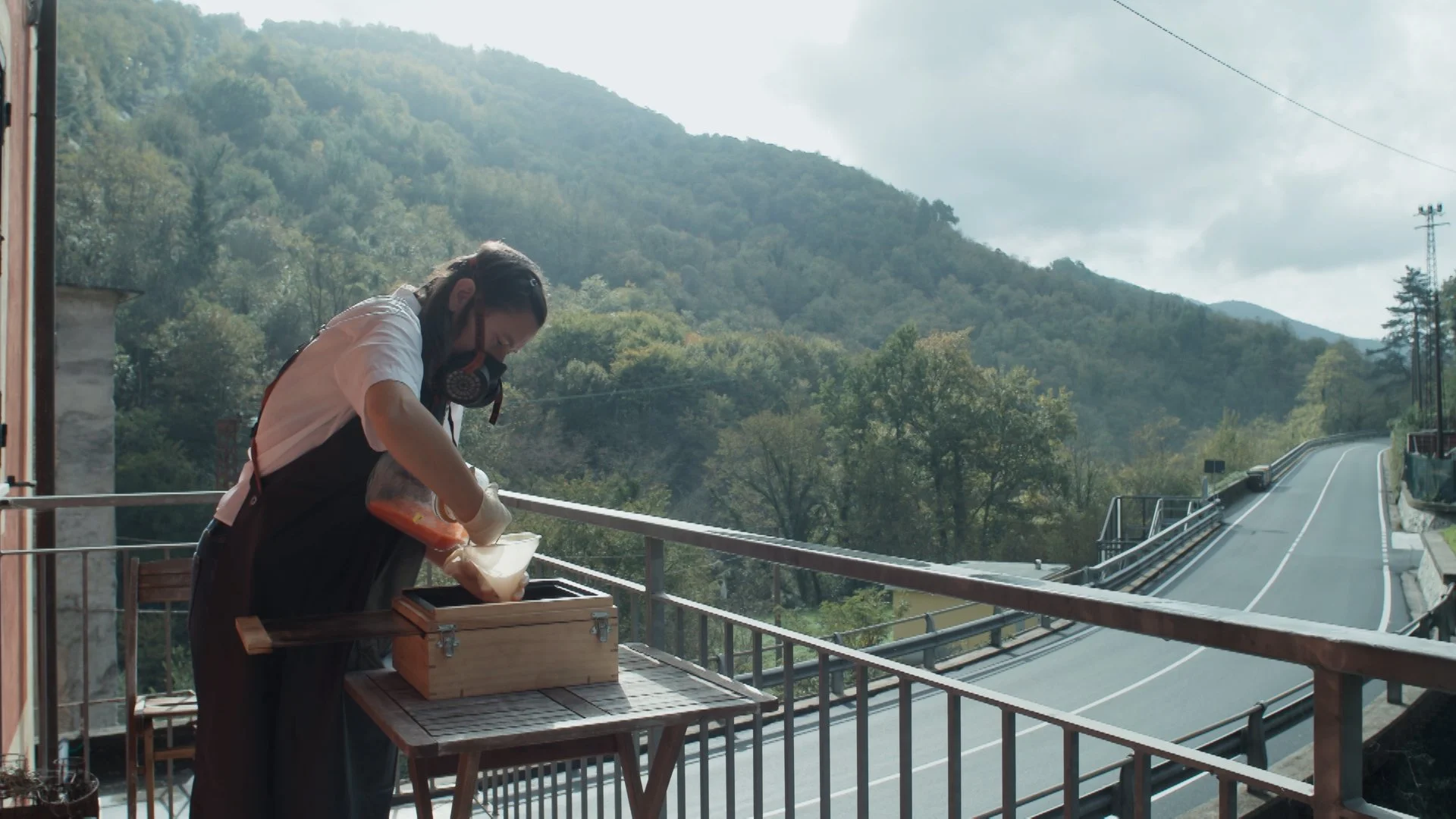
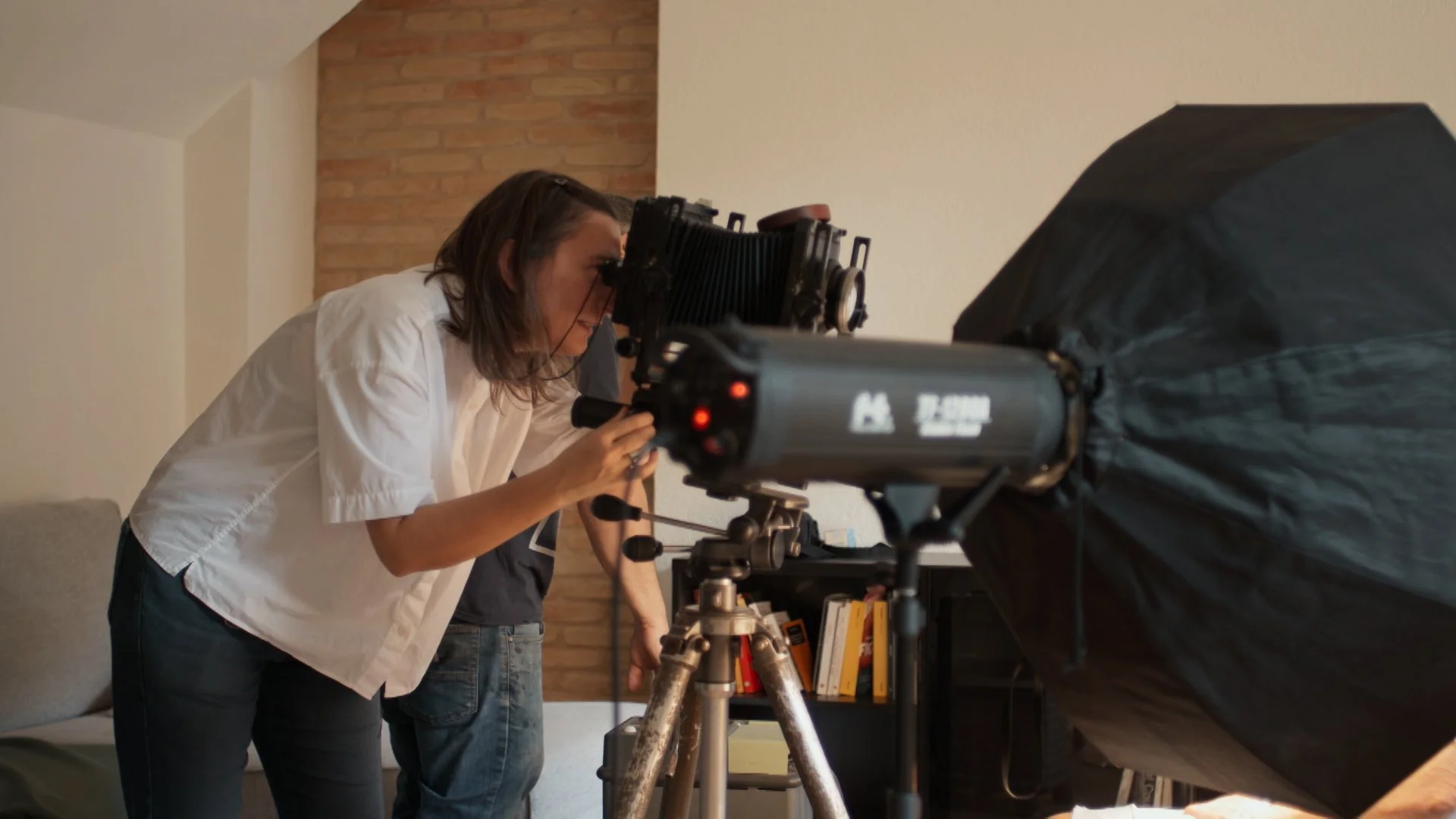
Currently she is living in Italy in a small village with her dogs Miro and Vera. She’s working mostly in black and white large format analogue photography. She photographs the invisible forces that shape our world: time, energy, memory and belief. She’s currently working on a long-term project about death and investigating time through the italian landscape. She’s also writing her first novel.
DOCUMENTARY
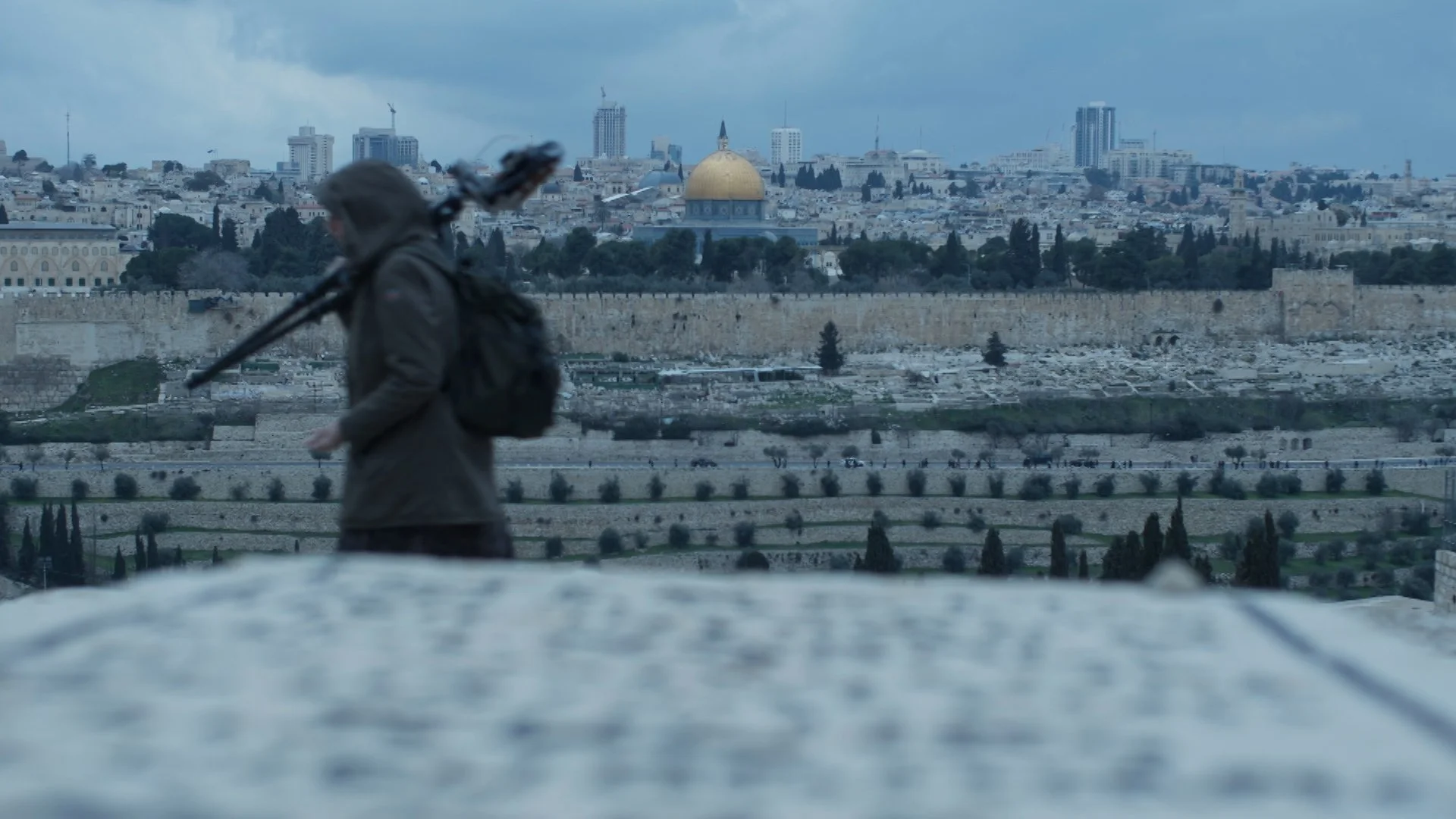
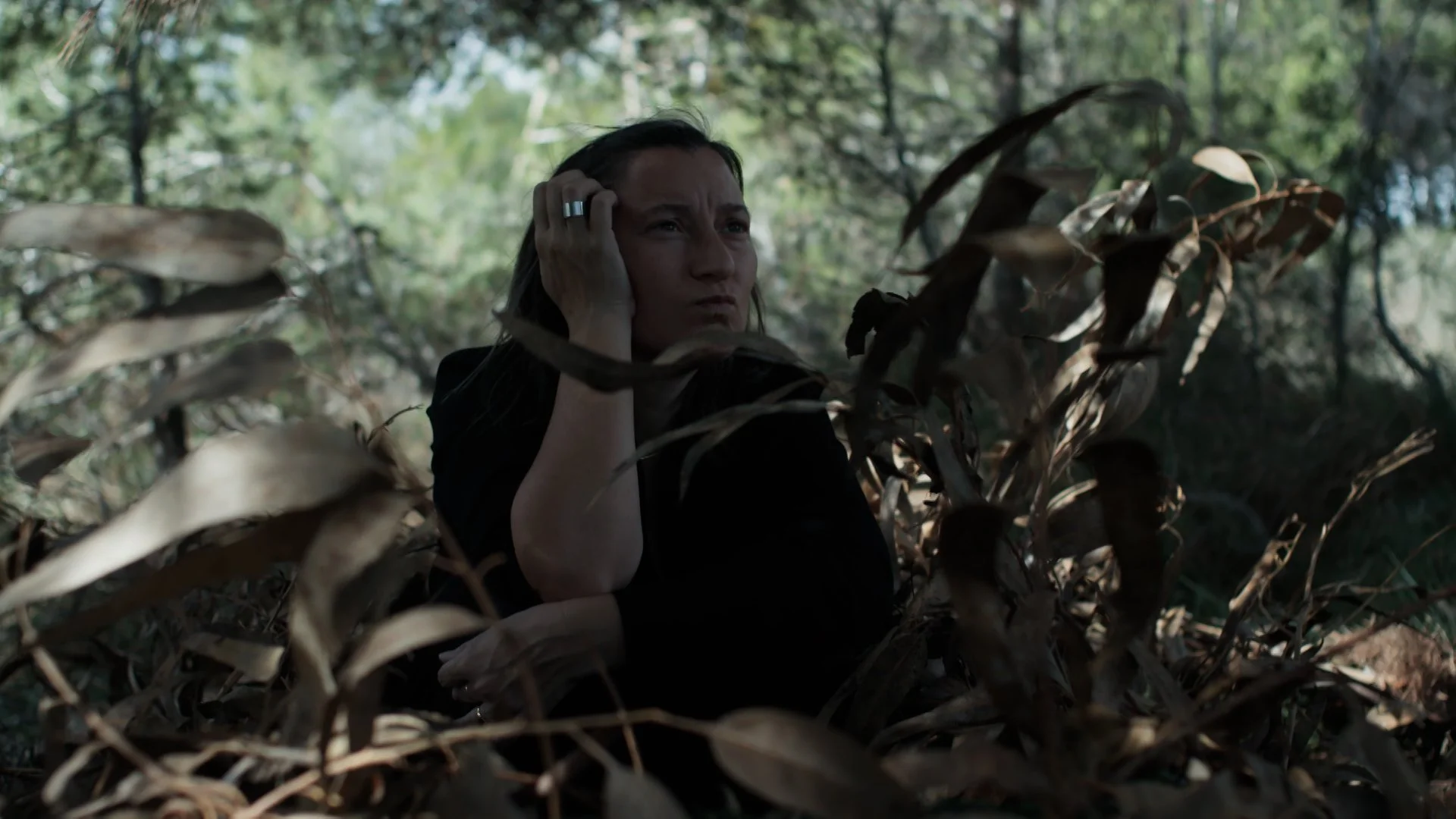
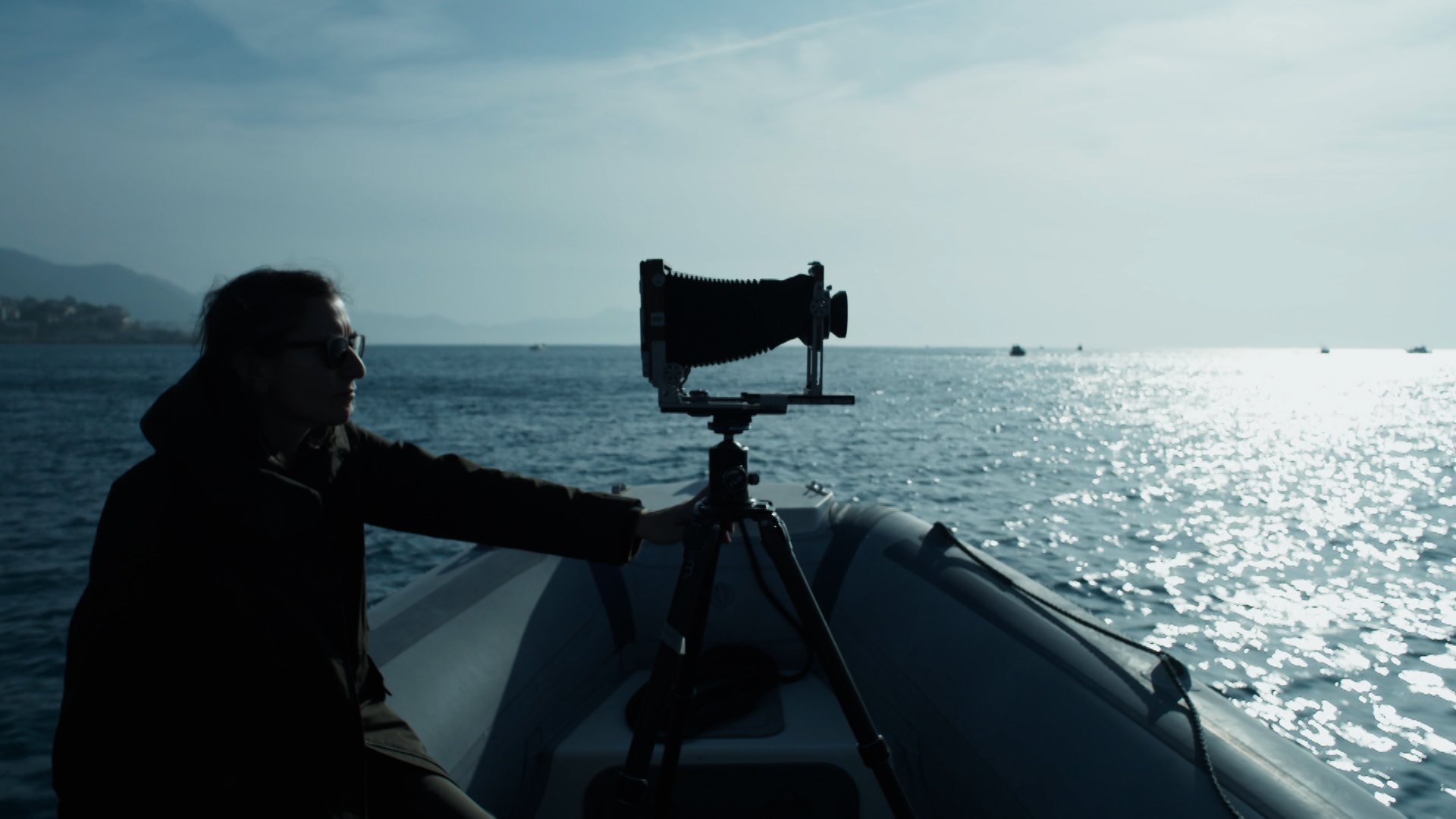
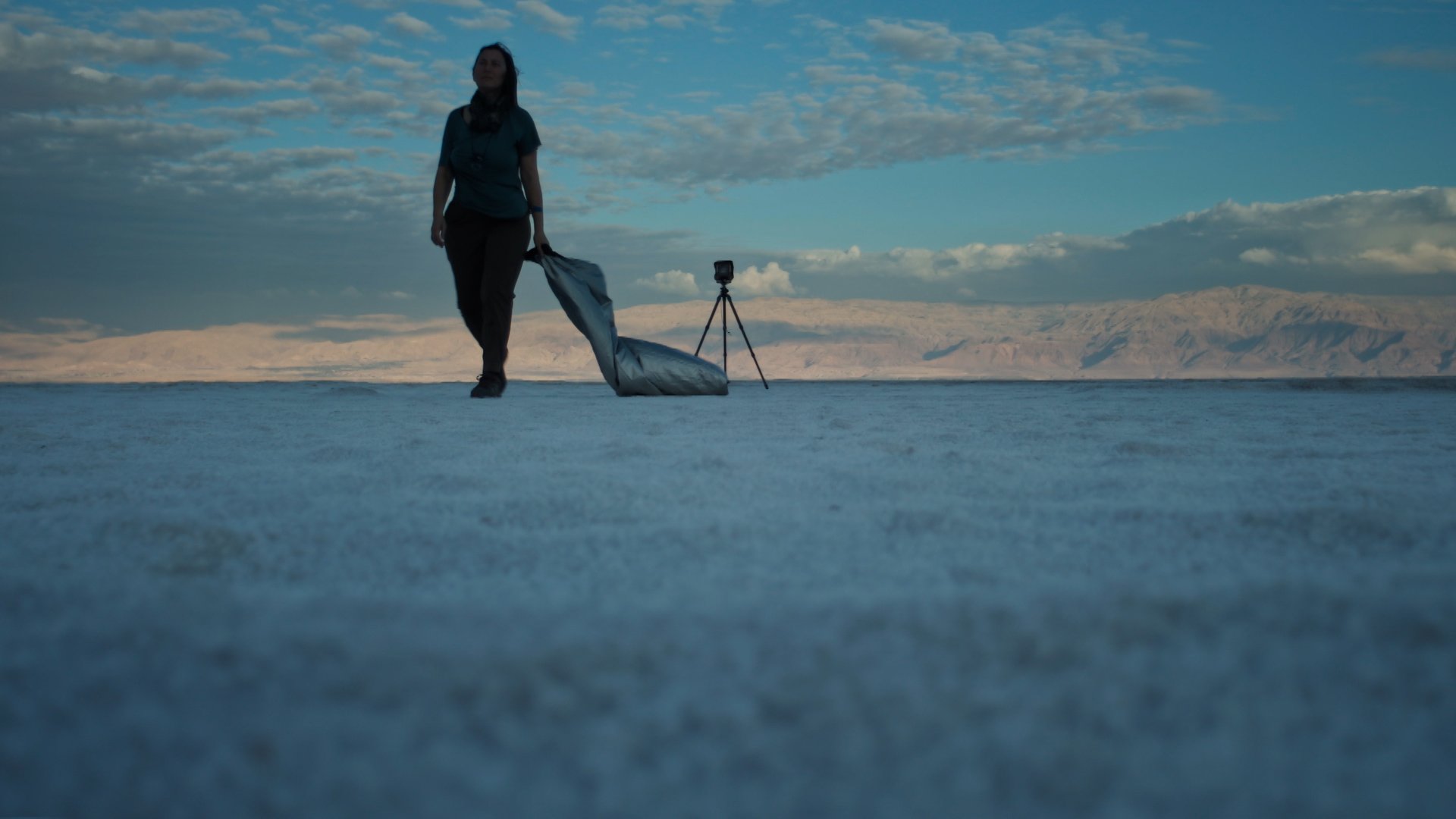
In 2023 I’ve been featured in a documentary on Sky Arte / Now TV in Italy.
Documentary Clip
THE INVISIBLE, 29m
is a documentary by director Francesco Raganato, produced by Omar Cristalli for Sky Arte.
To screen the documentary or feature it in festival galleries schools etc., please contact me directly.


Biography, as a director
Nausicaa Giulia Bianchi has been an hard working member of the photography community through teaching, mentoring, curating books and exhibitions for over 15 years.
She’s the founder and president of IDA cultural association offering photography courses and workshops and building a photography community.
She’s the founder and director of TSATM, The Soul and The Machine independent two years program on authorial photography
She’s teaching photography in several schools and associations, among them: University of Padua - photography for Creative Art Therapies, Camera Torino, IMP Photojournalism program and International Center of Photography (New York City).
She’s been mentoring over a hundred young photographers in the last five years curating several books and exhibitions, among them: Emma Vitti published by L’Artiere , Pierluigi Ciambra 89books , etc.
She’s curating a photography residency program for IDA and LeSerre in Udine with the participation of 48 photographers from Italy and Europe in a three years timeframe.
She’s interested in photography as a tool to investigate reality. Photography should break stereotypes and challenge unjust systems of power, help us to understand the present and the future of our society. In particular she’s drawn to works that lay at the intersection between documentary and fine arts.
She does not see photography as a self-referential practice, but rather as a field in constant dialogue with other forms of knowledge — including philosophy, theology, history, ethology, psychology, etc.
She’s curating a personal channel with readings about photography, art and literature in italian.